 (Image via
Sun and rain can quickly dull the vibrant colors of outdoor furniture fabrics, leaving patios and decks looking less inviting. Bringing back those original hues requires more than just a simple rinse with water. You have the option to check for signs of fading, clean the fabrics with care, and try a variety of easy home methods to help restore their appearance. This guide presents clear, practical steps that make it possible to revive your outdoor cushions and covers using items you likely already have at home, all without the need for expensive or specialized equipment.
Before starting DIY projects, gather basic supplies such as mild detergent, white vinegar, a soft brush, and protective sprays. You also need fabric dyes or paints for deeper color work. Once you have everything, begin with a thorough inspection and cleaning to prepare surfaces for any restoration steps.
Assess and Clean Your Outdoor Textiles
Faded fabrics often hide dirt and mildew that make restoration less effective. Start by spreading items on a clean surface in shade to check how much fading has occurred. Look for uneven wear spots, sun-bleached areas, and small stains.
Avoid harsh bleach or stiff brushes that can weaken fibers. Use gentle motions and proven household cleaners for best results.
- Mix a mild detergent with warm water and stir until suds form.
- Dip a soft brush into the solution and scrub stains gently.
- Rinse thoroughly with a garden hose on low pressure to remove soap residue.
- Blend equal parts water and white vinegar to tackle mildew spots; apply with a spray bottle and let it sit for 15 minutes before rinsing.
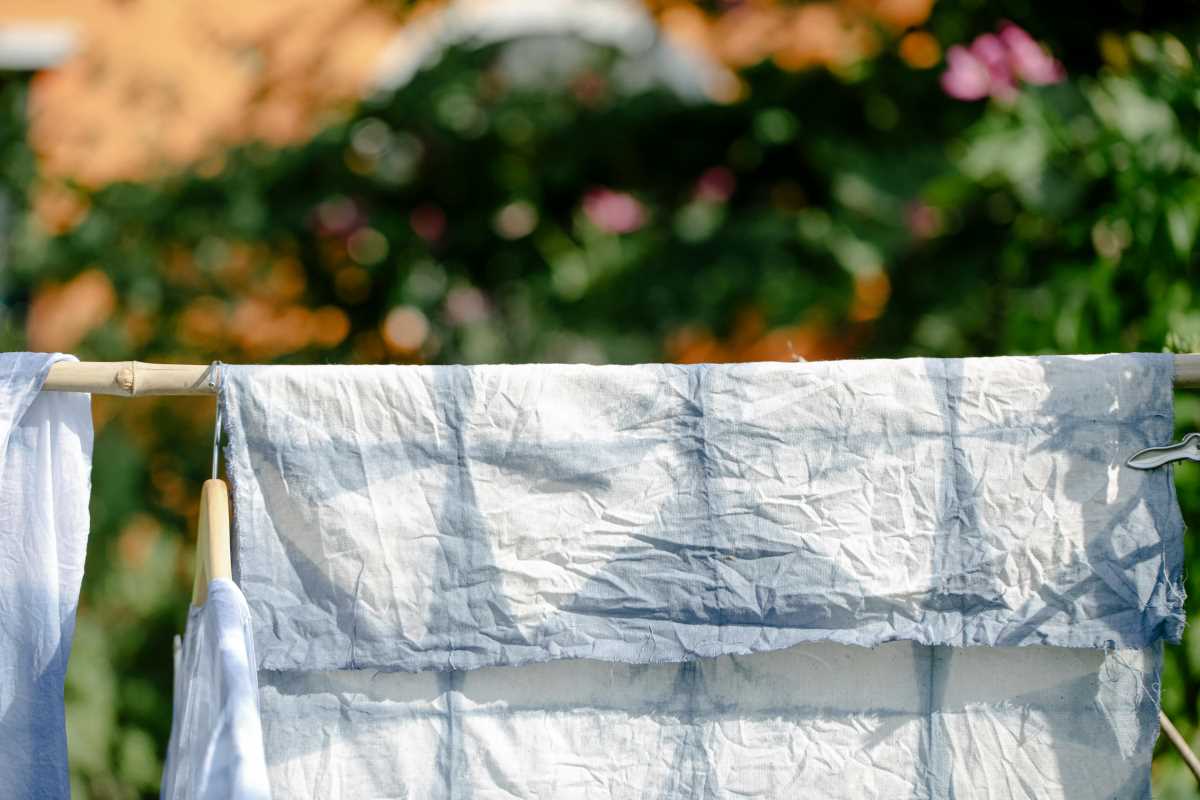
- Hang textiles flat or drape them over a line to air-dry in the shade.
After cleaning, inspect again in bright light. If dirt remains, repeat the steps above to ensure a pristine surface. A spotless foundation makes subsequent restoration methods more consistent and long-lasting.
DIY Color Restoration Techniques
Home-based color boosters offer an affordable way to brighten faded areas. These methods work well on canvas, polyester, and acrylic fabrics that have lost vibrancy.
Test each technique on a hidden area first to avoid unwanted color shifts.
- Prepare a dye bath. Fill a plastic tub with hot water and dissolve a packet of fiber-reactive dye according to package instructions. Stir well.
- Submerge the fabric, pressing it down so it’s fully covered. Stir gently for 10–15 minutes.
- Rinse with cool water until it runs clear. Then wash in a mild detergent and air-dry.
- For spot treatment, use a foam brush to apply acrylic fabric paint mixed with textile medium. Dab lightly on faded stripes or printed designs.
- Follow paint instructions for drying time. Once dry, heat-set by ironing on low heat with a clean cloth between iron and paint.
These techniques suit whole covers as well as small patches. You can combine colors to achieve custom shades that match existing pieces or freshen up a set without replacing it entirely.
Protective Treatments for Lasting Color
Once you have revived the hues, protect them against future fading with water-repellent and UV-blocking treatments. These sprays add a protective layer without changing the feel of the fabric.
Look for sprays formulated for outdoor use. Avoid generic waterproofers designed for shoes or leather, as they might discolor fibers.
Apply treatment in a well-ventilated area. Lay fabric flat, spray evenly from about 6–8 inches away, and let it dry for at least six hours. Reapply annually or after heavy weather exposure.
For additional UV protection, cover cushions and umbrellas with Scotchgard Outdoor Protector. Always follow the manufacturer’s guidelines and perform a small patch test before applying fully.
Seasonal Storage and Maintenance Tips
Proper storage during off-season periods extends fabric life and keeps colors bright. Moisture and pests can cause damage if items stay packed away damp or exposed.
- Clean and dry every piece completely before storing.
- Roll fabrics instead of folding to prevent sharp creases and stress points.
- Place cedar blocks or lavender sachets inside storage bins to deter moths.
- Store in breathable canvas bags rather than plastic, which traps moisture.
- Check stored items monthly for signs of damp spots or pest activity.
Rotate stored pieces every few months to ensure even air circulation. If you notice mildew, wash and dry the textile immediately before storing it again.
Revive Patterns with Fabric Paints and Dyes
If simple color boosts are insufficient, painting or stenciling provides a creative way to restore intricate patterns or add new ones to worn fabrics. Choose paints designed for flexibility so they won’t crack when the fabric bends.
Start by sketching your design on paper. Then use painter’s tape or stencils to outline shapes on the textile. Mix acrylic fabric paints in shallow dishes, and apply with foam brushes for clean edges.
Once decorations dry, set them by ironing with a pressing cloth on top. This seals pigments and makes sure the design stays intact through washing. For a final professional touch, seal edges of painted areas with a clear textile medium to prevent fraying.
With careful cleaning, smart applications of dye or paint, and protective treatments, you can keep outdoor fabrics looking fresh all year. Regular maintenance and proper storage help prevent many issues, so you spend less time fixing and more time enjoying your patio gear. Follow these steps and your faded fabrics will look vibrant again, ready for many seasons ahead.
Taking care of outdoor textiles is simple with these easy methods. A little effort restores and preserves your favorite fabrics effectively.