(Image via
Every antique chair holds a unique history, revealed in the shape of its legs and the character of its wood. When a favorite piece starts to wobble or creak, it may seem as though its stories are in danger of being lost. Thankfully, restoring stability to a vintage chair requires only some care, basic tools, and a clear process. You can secure loose joints and legs without advanced carpentry knowledge or expensive materials. By working carefully and paying attention to the details, you’ll not only repair the chair’s structure but also maintain its timeless charm. Get ready to give that beloved seat the support it deserves.
How to Examine Your Antique Chair
Begin by placing the chair on a level surface. Gently rock it to identify which legs or connections shift first. Observe any creaks or gaps where joints meet. Use a flashlight to look inside tight corners and under rails. Minor cracks in wood often hide behind loose seams.
Next, test each joint by pressing and twisting. Loose mortise-and-tenon joints tend to wiggle more than dowel or screw connections. Write down where movement concentrates and how much give you feel. This diagnosis guides where to focus glue, screws, or brace reinforcement.
Gathering Tools and Materials
Having the right kit on hand makes the repair process go smoothly. Collect items before starting so you won’t stop to hunt down parts.
- Screwdriver set (flat and Phillips heads)
- Clamps (bar or C-clamps, at least two)
- Wood glue, such as Elmer’s Wood Glue
- Wax paper or plastic film to protect surfaces
- Fine-grit sandpaper (220–320 grit)
- Matching wood filler or putty
- Soft cloth and mild cleaner
- Optional: small wooden braces or corner blocks
Arrange everything on a workbench or table. Lay out wax paper under the chair parts you’ll glue, so drips won’t stick to your bench. Double-check that your glue is still good to use.
How to Stabilize Loose Joints
Secure a shaky joint by tightening or applying fresh adhesive. Work on one joint at a time to get precise results.
- Clean the joint. Wipe away dust and old glue residue with a damp cloth. Let it dry completely.
- Apply a thin bead of wood glue into the joint gap. Push it as deep as possible.
- Position the parts together and clamp them tightly. Align edges so no extra gap remains.
- Wipe off excess glue that seeps out with a damp cloth before it dries.
- Allow the glue to cure for at least two hours, or follow the manufacturer’s instructions for drying time.
When the glue cures, remove clamps and test the joint. If you still feel wiggle, repeat the process or add a small screw discreetly.
Reinforcing with Simple DIY Techniques
For added strength, you can insert tiny corner blocks or metal braces hidden under seats. These provide solid support without changing your chair’s appearance. Start by measuring the inside corner where the leg meets the frame.
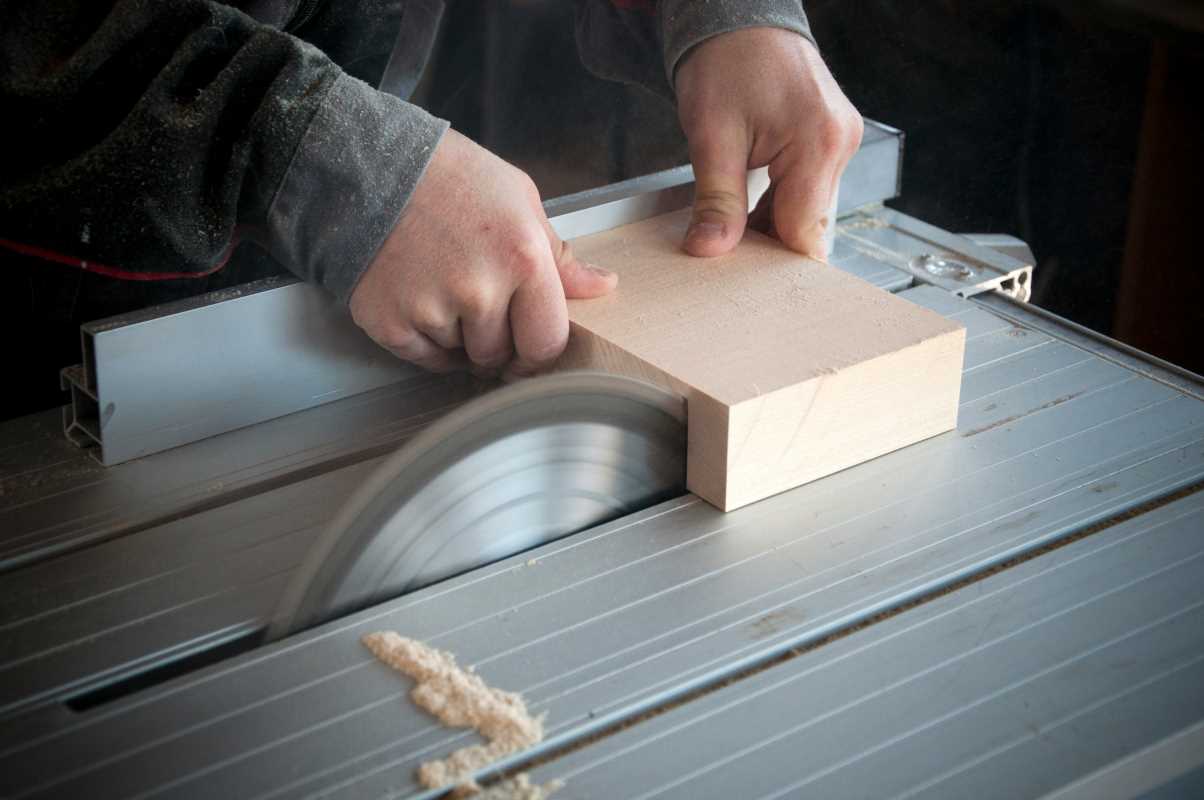
- Cut a small wooden block (about 1.5 inches square) at a 45-degree angle. Sand the edges smooth.
- Apply glue to two faces of the block and press it into the corner. Clamp it lightly until it grips.
- Reinforce further by driving a small finishing screw through the block into both frame pieces. Countersink it slightly so you can fill the hole later.
- Embed metal L-brackets under seats for heavy chairs. Pre-drill pilot holes to avoid splitting wood.
After all braces cure, fill screw holes with matching filler. Sand smooth and check stability.
Final Touches and Ongoing Care
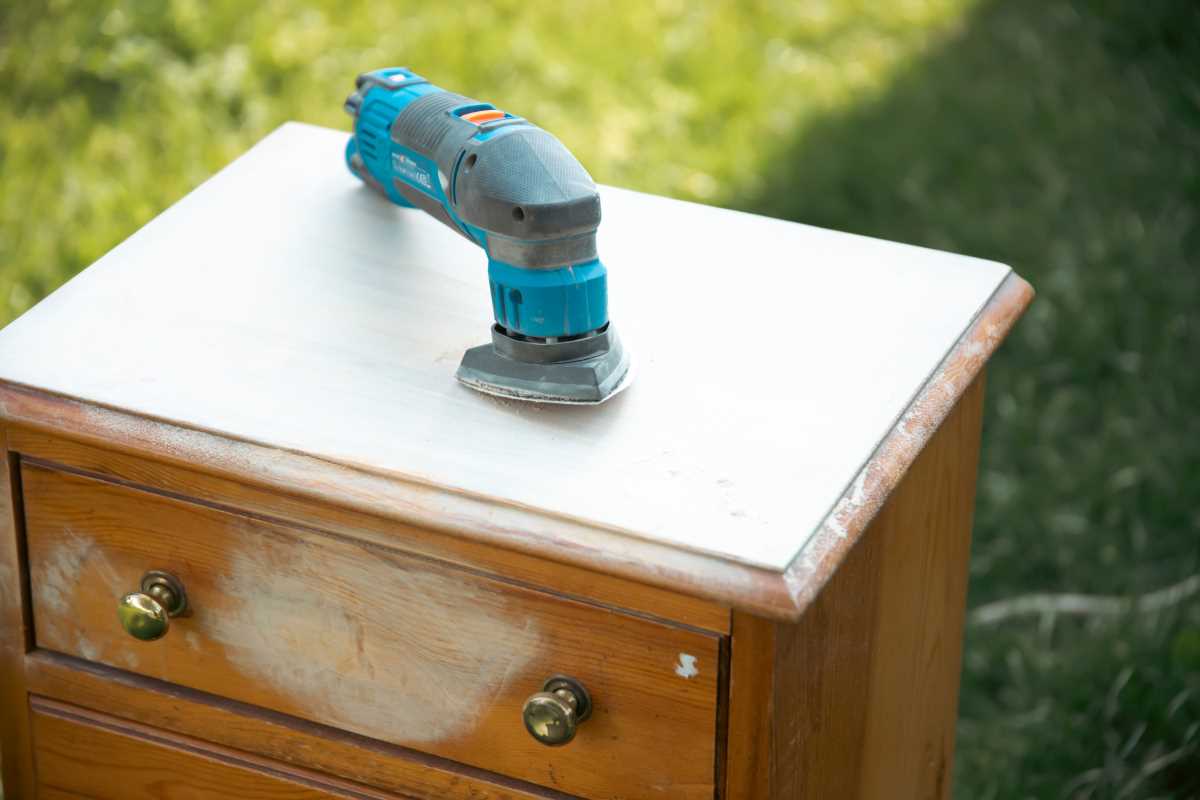
After fixing the structure, make sure your chair looks seamless. Lightly sand any filled areas until smooth, then wipe away dust with a tack cloth. Choose a finish that matches the original—wax, oil, or shellac often work well for antiques.
Apply the finish in thin coats, allowing each layer to dry. Buff the wax gently for a soft sheen or use a brush for shellac. Finish edges and legs carefully so repairs blend naturally. Place felt pads under each foot to protect floors and keep the chair stable on uneven surfaces.
Check the chair every few months to catch new movement early. Tighten screws and refresh wax polish as needed. These maintenance steps help your vintage piece stay steady for years to come.
Restoring an antique chair preserves its history and keeps it functional. Simple repairs strengthen the frame and maintain its character. Enjoy many more moments with your restored seat.