Small studios can feel comfortable and stylish with the right furniture choices. Woodworking allows you to create pieces that fit tight spaces while adding character to your home. You can build practical and attractive furniture using simple tools and straightforward designs, even without a big workshop or advanced skills. Well-chosen items can serve more than one purpose and help keep your living area open and uncluttered. By making the most of every inch, you can enjoy a cozy, functional space that still reflects your personal taste. Every project brings a new way to combine usefulness and beauty in your own home.
This guide walks you through essentials like hardware, lumber options, and simple power tools before diving into seven projects that combine form with versatility. You’ll pick up tips on finishing, creative storage tricks and a deep dive into a floating bookshelf that maximizes wall real estate. Whether you’re new to woodworking or a hobbyist looking to optimize a small pad, these plans offer unique ideas you won’t find in cookie-cutter DIY lists.
Materials and Tools Overview
- Plywood sheets (birch or maple) for lightweight, stable panels
- Solid pine boards for edges, trim, and decorative accents
- Wood glue, pocket hole screws, and corner brackets
- Finish options: water-based polycrylic, natural oil, or wax
- Essential tools: circular saw or track saw, cordless drill, random-orbit sander
- Clamps (bar clamps or spring clamps) to hold parts during glue-ups
- Measuring tools: tape measure, combination square, and a small level
These items fit on a small workbench or fold-away table. You can store lumber vertically against a wall or under the bed. Spending a bit more on quality fasteners and finishes pays off long term by preventing failures in compact assemblies.
You don’t need a dust collector if you work in short intervals and sweep regularly. Pair a good mask with a shop vac attachment to catch sawdust at the source. Keeping things tidy protects your lungs and prevents chip buildup that eats into usable living space.
7 Ingenious Woodworking Projects
- Fold-Down Wall Desk. Hinged tabletop attaches to studs and locks open with sliding bolts. Folds flat for instant floor space.
- Corner Storage Bench. Triangular design tucks into a corner. The seat lifts to reveal extra room for blankets or pantry overflow.
- Modular Cube Shelves. Stack or hang individual cubes to suit changing storage needs. Swap cubbies for planters or display cases on a whim.
- Shoe Slot Rack. Slender vertical board with staggered slots holds up to six pairs of shoes. Uses less than ten inches of floor depth.
- Rolling Kitchen Cart. Compact butcher-block top and two shelves on casters for prep, serving, or roaming bar cart duties.
- Under-Bed Drawer Frames. Low-profile frames on small wheels slide under your bed platform for out-of-sight storage of linens or seasonal items.
- Lift-Top Coffee Table. Sleek design with hidden hinges raises the tabletop to desk height. Doubles as a dining surface for two.
Each build adapts to common plywood thicknesses and standard board widths. You will learn basic joinery like pocket holes and simple dados, ensuring solid connections that handle daily use. Choose a finish color that blends into your decor to avoid making any piece dominate the room visually.
While these concepts vary in complexity, they share a focus on multi-purpose utility. Keep your designs simple enough for quick assembly, and incorporate adjustable hardware wherever possible. That way, you can fine-tune height, depth, or angle after installation without ripping anything apart.
Space-Saving Design Tips
- Opt for vertical storage: rails, hooks, and pegboards keep tools and accessories off precious surfaces.
- Build hollow legs or side panels that double as hidden shelves to incorporate framing cavities.
- Choose mechanisms that fold or slide: drop leaves, sliding doors, or telescoping tops add flexibility.
- Design furniture to hug corners, walls, or under-window niches to limit footprint.
- Simplify cutting and maximize sheet goods by using uniform material thickness, reducing waste.
Build each project around a single function and at least one secondary use. For example, that fold-down desk can hold a lamp mounted permanently above it. A lift-top coffee table might house a board game set in its under-mezzanine compartment. These built-in add-ons turn static furniture into flexible solutions for everyday living.
Consider how people will move through your studio. Avoid protruding edges near walkways. Group similar pieces—like your desk and shelving—along one wall to create a “work zone” that can be hidden from view when guests arrive.
Project Spotlight: Floating Bookshelf
Install a shelf without visible brackets to achieve a clean, modern look while freeing up floor space. Drive threaded rods into studs, slide the shelf over them, and secure it with end-caps, creating the illusion of a “floating” wood plank holding your books. This setup supports heavy loads if you screw into strong framing members.
Use a quality scanner to find exact stud locations, then pre-drill holes to prevent your face frame from splitting. Wrap each rod in a thin coat of wax to make the shelf slide smoothly and avoid scratching the finish.
After mounting, sand the edges and apply a thin coat of oil for a warm look. Balance your collection by distributing weight evenly, using bookends or small planters at each end. You will gain display space without losing any living area.
DIY Maintenance and Finishing Tricks
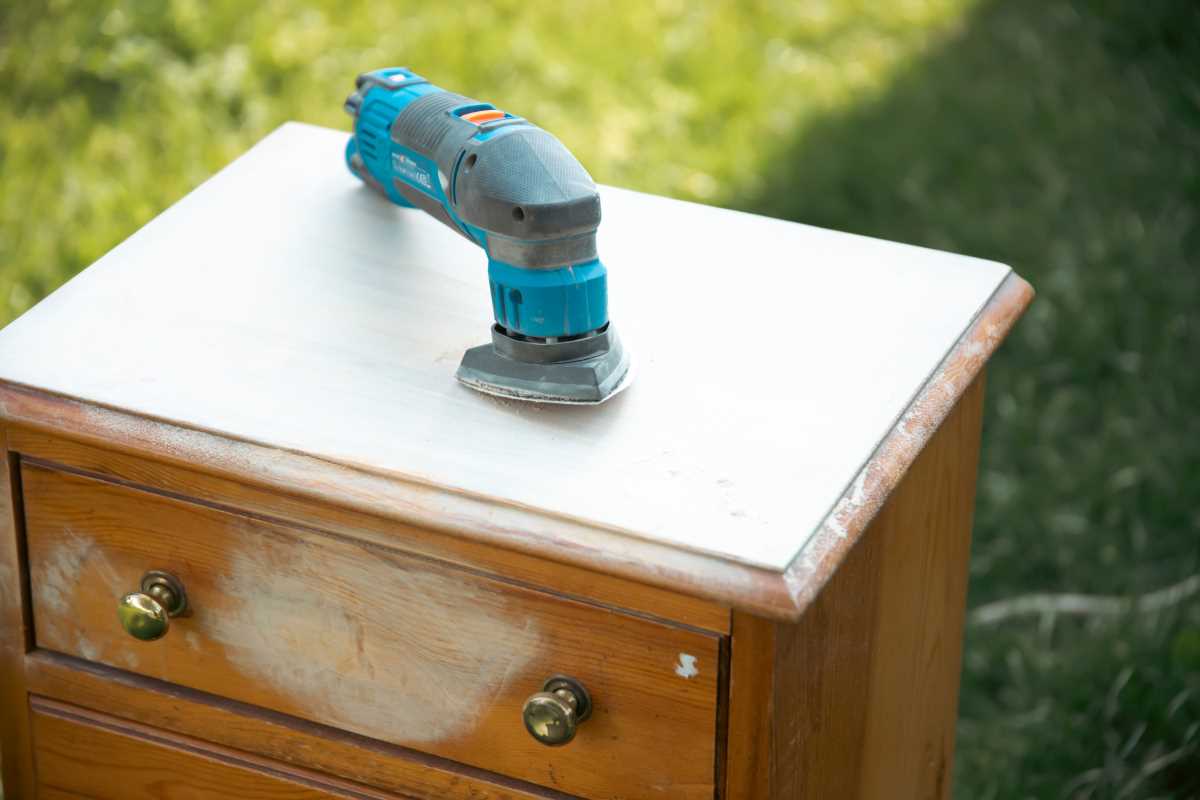
Wood surfaces in high-traffic spots quickly pick up dings and stains. Keep a small kit with fine-grit sanding pads and blending pencils matched to your stain color. A quick buff and touch-up restore most blemishes without disassembling your furniture.
Mix beeswax pellets with mineral oil in a double boiler to create an eco-friendly seal, then rub the warm paste into surfaces. It forms a protective, water-resistant layer you can refresh annually. This natural finish enhances the wood grain while protecting against spills and scratches.
Tighten screws and hinges regularly, especially on moving parts like fold-down desks or rolling carts. A little preventative care keeps mechanisms functioning smoothly and prevents wobbling. Place felt pads under legs to reduce noise and protect your floor from accidental scuffs.
With some planning and weekend hours, you can create custom furniture that fits your small apartment. These woodworking ideas add both function and style, making the space feel larger and more comfortable.