Small balconies can become inviting green spaces with just a few creative touches, even if you’re working with limited room and a modest budget. Everyday household items make excellent planters and help reduce waste, giving your outdoor nook a personal, eco-friendly vibe. Repurposing containers like cans, jars, or old baskets lets you customize your balcony garden without relying on expensive supplies. This guide covers how to select suitable materials, design interesting planters, arrange them for the best effect, and provide simple care for your plants. With a bit of effort, you’ll soon enjoy a lush balcony retreat that reflects your style and supports the environment.
Selecting Upcycled Materials for Small Spaces
Pick materials that stay light yet sturdy. You want containers you can hang, balance, or stack against a railing safely. Think about weight once soil and water fill them. Don’t grab heavy metal drums or dense concrete blocks unless your balcony floor can handle extra pounds.
Here are practical choices:
- Old wooden crates or wine boxes – drill drainage holes and seal the inside with non-toxic varnish.
- Unused gutters or PVC pipes – cut sections into mini troughs for herbs.
- Woven baskets lined with plastic sheeting – they look stylish and let roots breathe.
- Reclaimed buckets and paint cans – punch holes in the bottom and paint the exterior for a fresh vibe.
Creative Planter Designs
You can give ordinary objects a second life as clever planters. Focus on shapes that save footprint and draw the eye upward. Arrange your upcycled containers so plants cascade or climb.
Try one of these numbered layouts:
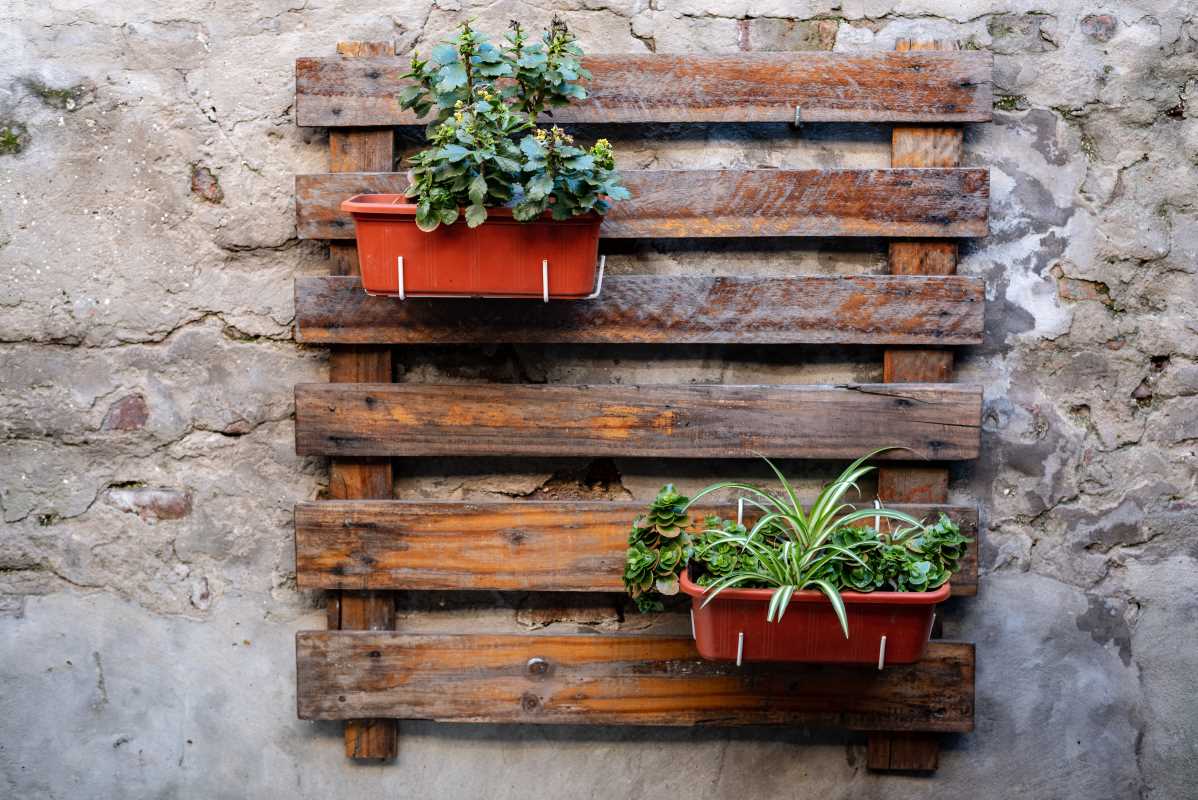
- Hanging Bottle Wall: Clean plastic bottles, cut a side slit, fill them with soil, then hang on a plank or wire grid.
- Tiered Crate Shelf: Stack wooden crates in a pyramid, secure with brackets, and fill each level with succulents or herbs.
- Ladder Herb Rack: Convert an old wooden ladder into a shelf by laying planks across its steps, then place shallow pots on each rung.
- Gutter Rail Garden: Mount short gutter channels to the railing with hooks—perfect for lettuces and strawberries.
Step-by-Step DIY Assembly Guide
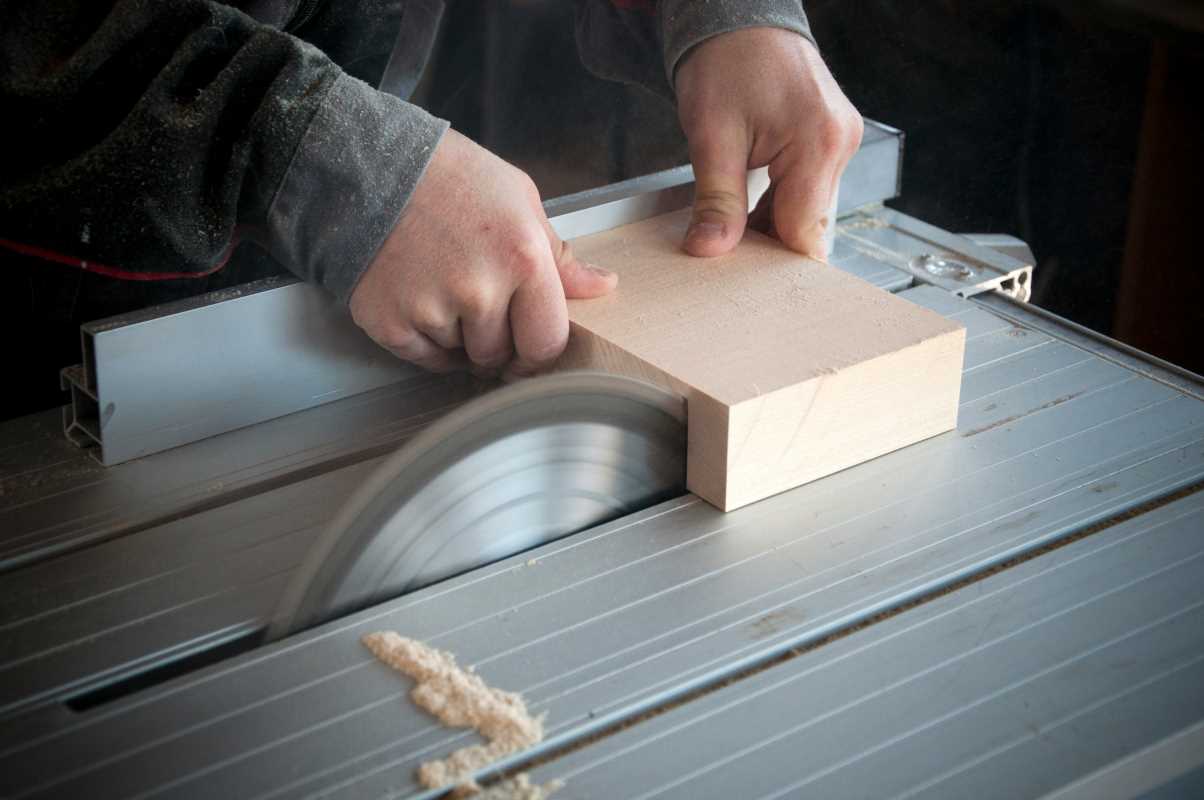
Gather basic tools: a drill with small and large bits, waterproof gloves, measuring tape, a saw or strong scissors, and waterproof sealant. Layout a workspace on old cardboard or a tarp.
Follow these steps:
- Measure the available railing or floor width. Mark spots where each container sits so you avoid overcrowding.
- Drill or cut drainage holes, then test with a little water to confirm they’re clear.
- Seal any wood interiors or metal seams to prevent rot and rust.
- Attach mounting hooks or brackets securely—double check their weight limits.
- Layer gravel or broken terra-cotta at the bottom before adding potting mix. This speeds drainage and prevents root rot.
Once you fill containers, give each a thorough watering so soil settles. Then look up watering frequency for your plant choices.
Maintenance and Care Tips
Even the best DIY creations need regular upkeep. Stick to a schedule that matches your plant types and local climate. Overwatering clogs drainage, while underwatering stresses young roots.
- Check soil moisture every three days. Slip a finger an inch down—if it’s dry, it’s water time.
- Prune dead or crowded leaves weekly. This improves airflow and light exposure.
- Rotate containers monthly so each side of the plant gets sun.
- Feed with a balanced liquid fertilizer once a month during growing seasons.
Sustainability and Safety Considerations
Using off-the-shelf trash transforms your garden and helps reduce your carbon footprint. Yet, be cautious with materials that can leach toxins. Avoid containers that previously held harsh chemicals unless you have thoroughly cleaned and sealed them. Plastic food-grade buckets rank higher in safety than unknown secondhand drums.
Ensure brackets and hooks can handle extra moisture and weight, and inspect fasteners twice a year. Wind gusts can shift or topple lightweight DIY planters, so secure hanging units with extra wire or cable ties. This small step keeps your creations—and neighbors—safe.
Upcycling transforms simple items into attractive planters for small city balconies. It adds eco-friendly charm and allows you to grow herbs, blooms, or greens without high costs. Brighten your balcony this weekend and see it flourish.